
Partner Dance Evenings at Parish Halls Explained
Everything about finding and enjoying partner dance events. We'll show you how they're structured, what the etiquette is, and why they're so popular with mature dancers.

Parish hall dances aren't just about moving to music. They're social events where you'll meet people, build confidence, and actually enjoy yourself on the dance floor. Whether you've never danced before or you're returning after years away, there's a place for you at these evenings.
The thing is, parish halls have hosted dance events for decades across Ireland. They're accessible, welcoming, and genuinely focused on community rather than performance. You're not being judged — everyone's there to have a good time and improve their skills together.
Social First
Dancing is just the framework. The real value is the friendships and community you build.
Partner-Based
You'll rotate partners throughout the evening, so everyone dances with everyone.
All Welcome
No experience needed. Beginners get help, and experienced dancers enjoy the challenge.
What Actually Happens at a Parish Hall Dance
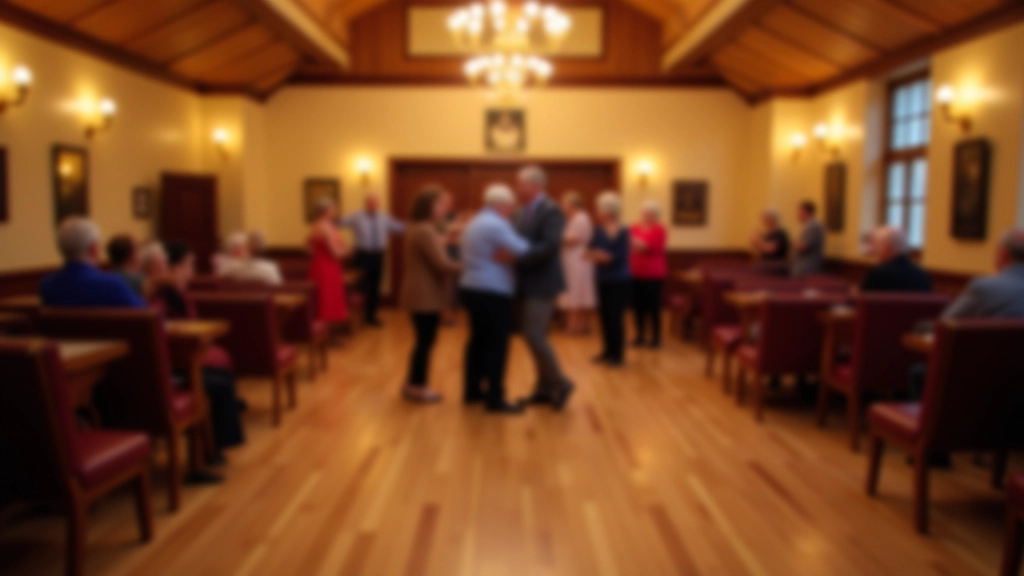
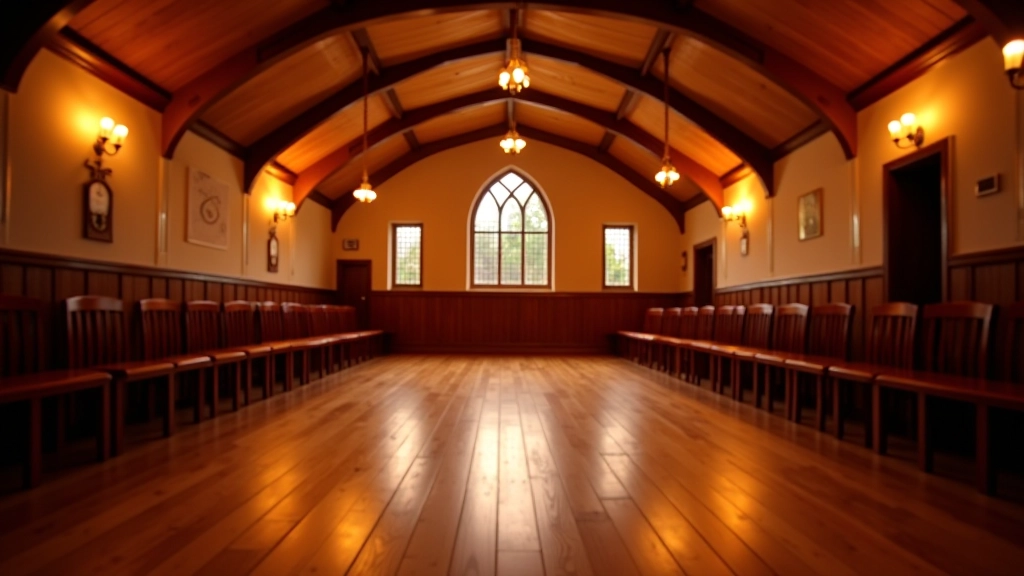
You'll walk in, and the first thing you'll notice is the setup. Tables line the edges of the room, chairs arranged so people can sit and chat between dances. The dance floor — usually wooden and well-maintained — sits in the center. A DJ or live band provides the music, typically starting around 8pm and running until 11pm or midnight.
The evening follows a pattern. You'll have 15-20 minute dance sets, each featuring a specific style — maybe a waltz, then a quickstep, then some Latin. Between sets, there's a break so you can catch your breath, grab water, and chat. Most people rotate partners between dances. If you come solo, the organizers'll introduce you to others. If you've brought a partner, you might dance a few together, then try with other people too.
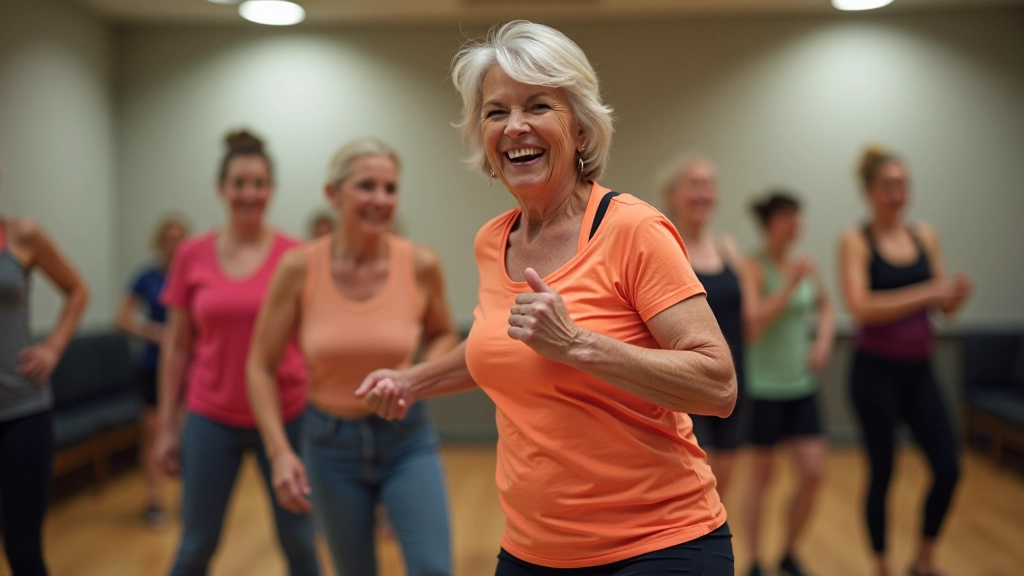
What makes parish hall dances different from classes is the atmosphere. There's no instructor watching your technique. It's relaxed, encouraging, and genuinely fun. People are focused on enjoying the music and the connection with their partner — not on being perfect.
Dance Styles You'll Encounter
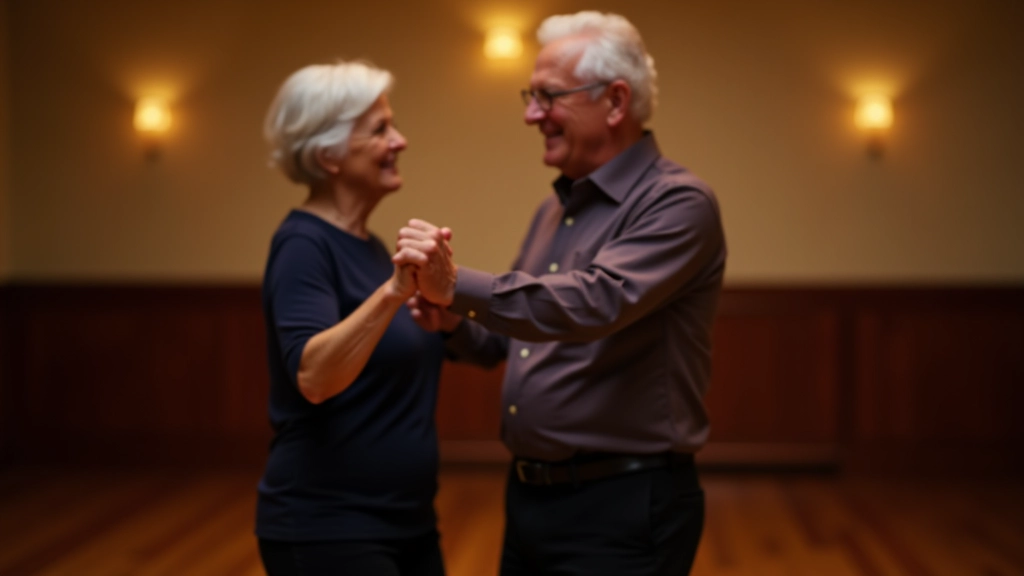
Parish hall evenings usually feature ballroom and Latin styles. Ballroom includes waltz, foxtrot, and quickstep — smooth, flowing dances with longer frames. Latin brings energy with cha-cha, rumba, and jive — quicker movements, sharper hip action, and more playfulness.
The beauty is you don't need to be expert in every style. You'll dance the ones you're comfortable with and learn others by doing. Most evenings have a mix, so there's something for everyone. A typical night might include two waltzes, one foxtrot, one quickstep, then a cha-cha and jive. Some halls throw in a salsa or bachata set too, especially in areas with Latin dance communities.
Beginners often find waltz and foxtrot easier to start with — the frame's simpler, and the timing's more forgiving. Once you've got a few weeks of dancing under your belt, you'll be ready for anything they put on.
A Note on Physical Activity
This article is informational. If you have health concerns or haven't been physically active recently, it's worth checking with your doctor before starting any new activity. Dance is generally safe and beneficial, but your individual circumstances matter. Always listen to your body and dance at your own pace.
Etiquette and What to Expect
Partner dancing has unwritten rules, but they're not strict or intimidating. The main one is simple: treat people with respect. If someone asks you to dance, say yes or politely decline — no harsh rejections. If you're not having fun with a particular partner, it's fine to sit out the next dance. Nobody's offended.
Arrive on time
Most dances start at 8pm. Arriving 15 minutes early lets you settle in and meet people before the music starts.
Rotate partners
Dancing with different people helps you improve faster and meet more folks. Most organizers handle introductions.
Look after yourself
Bring water, wear comfortable shoes with good support, and take breaks when you need them. You're there to enjoy it, not prove anything.
Be encouraging
If someone's clearly new, be patient and supportive. Everyone started somewhere. A kind word makes a real difference.

Getting Started is Simpler Than You Think
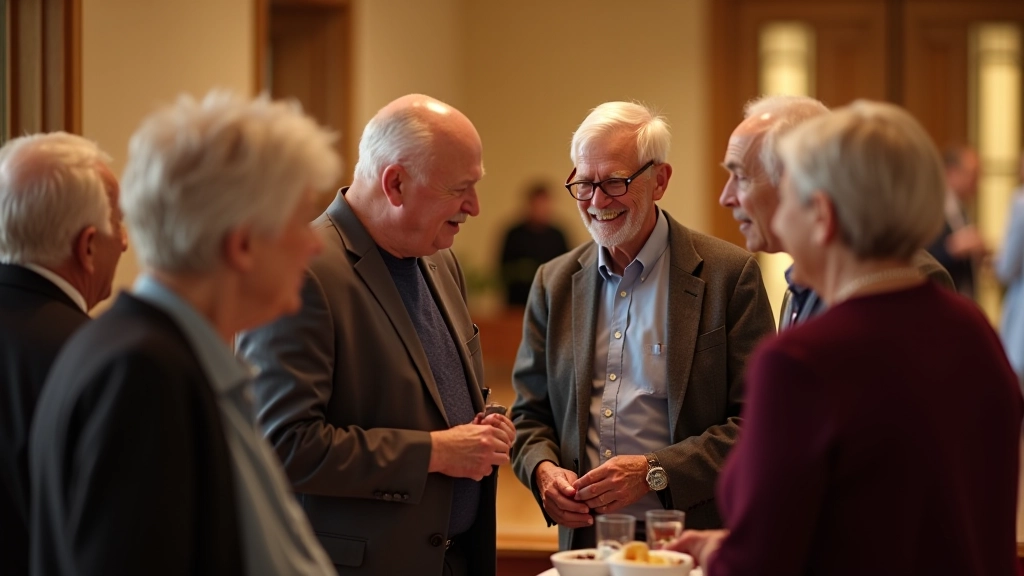
Parish hall dances are genuinely welcoming events. You don't need years of training, fancy shoes, or a permanent partner. You just need to show up, be open to meeting people, and give it a go. Most halls have weekly or fortnightly dances — check local community boards or ask at your nearest dance school for details.
The dancers you'll meet have been exactly where you are now. They started with nerves, maybe some awkwardness, and a willingness to try. Now they're part of a community. That could be you after just a few weeks.
Ready to find a dance near you? Check out our guide to dance communities in your area, or explore Latin dance workshops if you'd like instruction first.
Discover Dance Communities