
Dance Communities in Killarney and Tralee
Find your people. This guide covers active dance groups in both towns, when they meet, what they offer, and how to get connected with your local community.


Getting to Know the Scene
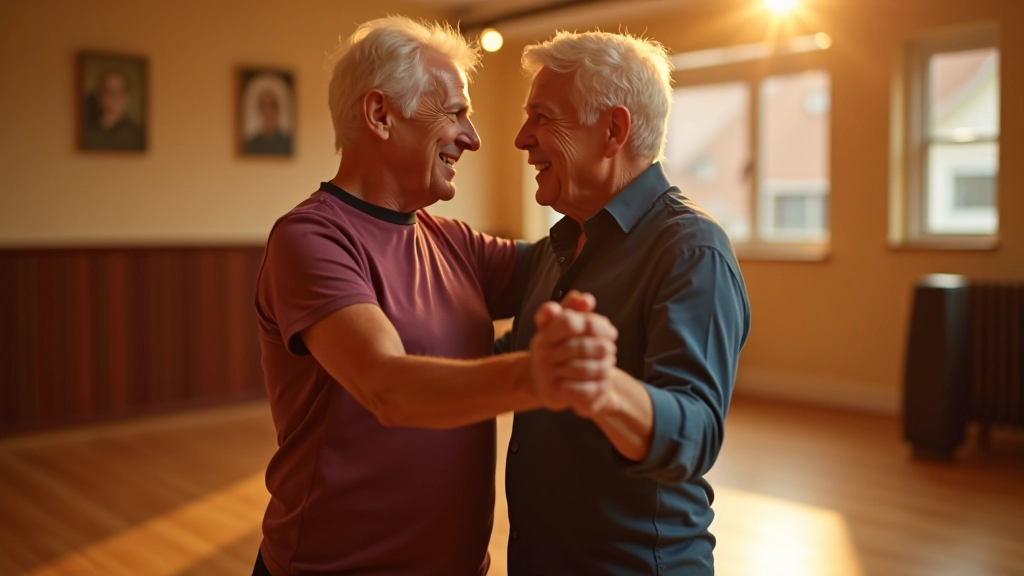
Both Killarney and Tralee have thriving dance communities that've grown over the last five years. It's not just about the steps — it's about the friendships, the weekly rhythm, and the feeling that you belong somewhere. The groups here range from small, intimate gatherings in parish halls to larger community centre sessions with live music.
What makes these communities special? They're welcoming to people at any level. You don't need to be an experienced dancer to join. Most groups have a real mix — complete beginners alongside people who've been dancing for years. And that's intentional. The experienced dancers help the newer folks without making anyone feel rushed or out of place.
Killarney's Active Groups
Killarney hosts about four regular dance groups that meet weekly or fortnightly. The largest meets Tuesday and Thursday evenings at the Community Centre on New Street — that's where you'll find the most consistent turnout, usually 25-35 people. They focus on Latin styles: salsa, bachata, and some cha-cha-cha basics.
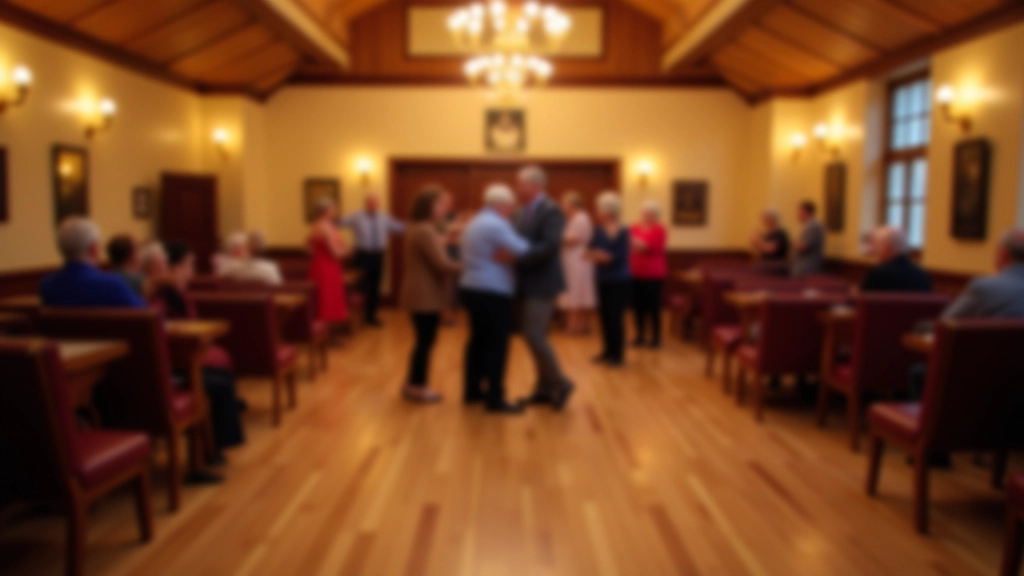
There's also a Saturday afternoon group at St. Mary's Parish Hall that's more relaxed. People bring tea, there's banter, and the music isn't always Latin — sometimes it's swing, sometimes modern ballroom. That session attracts the crowd who wants less pressure and more social time.
Quick Reference: Meeting Times
Killarney Community Centre
Tuesday & Thursday, 7-8:30 PM
St. Mary's Parish Hall (Killarney)
Saturday, 2-4 PM
Tralee Town Hall
Monday & Wednesday, 6:30-8 PM
Tralee Community Hall
Friday, 7-9 PM

Tralee's Options
Tralee's got a slightly different energy. The town has three main groups, and they're more spread across different styles. The Monday/Wednesday session at Town Hall is partner-focused — mostly ballroom and waltz. It's structured but not rigid. You'll get coaching on frame and posture, which is brilliant if you're learning proper technique.
Friday nights at the Community Hall lean toward Latin again. This group's known for being particularly welcoming to absolute beginners. They always start with a 15-minute "absolute basics" slot before the main session, so you can build confidence. And honestly? The Friday crowd's got great craic. Lots of laughing, lots of mistakes made together, and nobody's self-conscious about it.
"I wasn't sure about joining at first — thought everyone would be better than me. But the first night, I realised half the group was nervous too. Now I go twice a week and honestly can't imagine missing it."
What Each Group Actually Teaches
The curriculum varies. Some groups cycle through styles — four weeks of salsa, then four weeks of bachata, then maybe some swing. Others stick with one style each season. The Killarney Community Centre group does monthly showcases where dancers can perform what they've learned if they want to. It's completely optional. Some people perform, some just watch and clap.
Typical Class Structure
- 5-10 minutes: arrival, socialising, music selection
- 10-15 minutes: warm-up (nothing intense, just loosening up)
- 30-40 minutes: technique work and basic steps
- 10-15 minutes: putting it together in simple combinations
- Final 10 minutes: free dance or social time
Disclaimer: This guide is informational. Details about groups, meeting times, and instructors can change. We recommend contacting venues directly or checking local community noticeboards for current schedules. Always consult your GP before starting any new physical activity, especially if you have health concerns. The dance groups listed here are community-run and independently operated — this article doesn't endorse any particular group over others.
Getting Started: Practical Details
Both towns make it simple to join. Most groups don't require registration — you just show up. Drop-in costs are typically €5-8 per session, or you can pay for a month upfront for a discount. Some groups do one free taster session so you can see if it's your thing before committing.
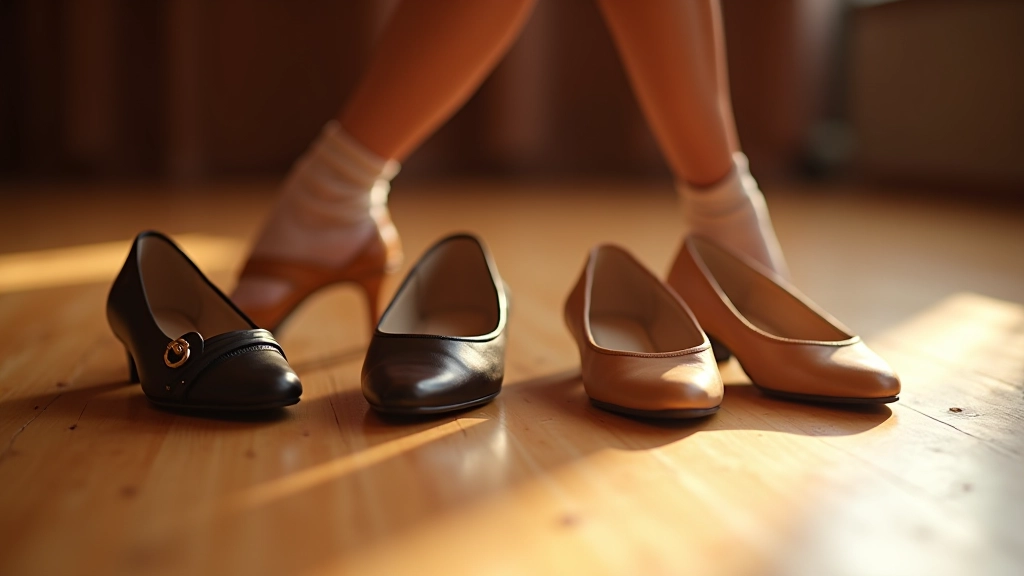
What to wear? Nothing fancy. Comfortable clothes you can move in — trousers, leggings, a top that doesn't restrict your arms. Footwear matters slightly more. Soft shoes are best — dance shoes if you have them, but clean trainers work fine. Avoid heavy boots or anything that doesn't let your foot move naturally.
What to Bring and Expect
Bring water. You'll want it. These sessions are social and fun, but you will move more than you'd expect. A small towel's useful too. Most halls have decent ventilation, but you'll warm up quickly once you start dancing.
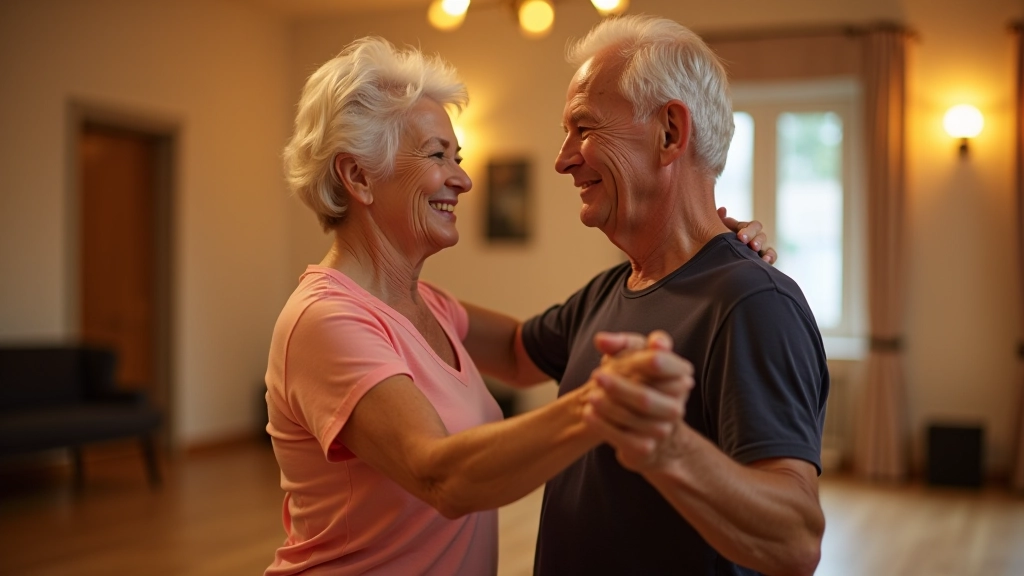
Expect a mixed-age crowd. You'll see people in their 60s, 70s, and sometimes into their 80s. Everyone's at different levels. The instructors are experienced and used to working with groups where nobody's done this before. They'll give modifications — easier versions of steps if you need them, or more complex variations if you're ready.
And here's the thing nobody tells you: the first session's a bit awkward for everyone. You don't know where to stand, you're nervous about looking foolish, you're figuring out the rhythm. But by session three? You'll know at least five people, you'll remember some basic steps, and you'll already be looking forward to the next one.
Building Friendships Beyond Dancing
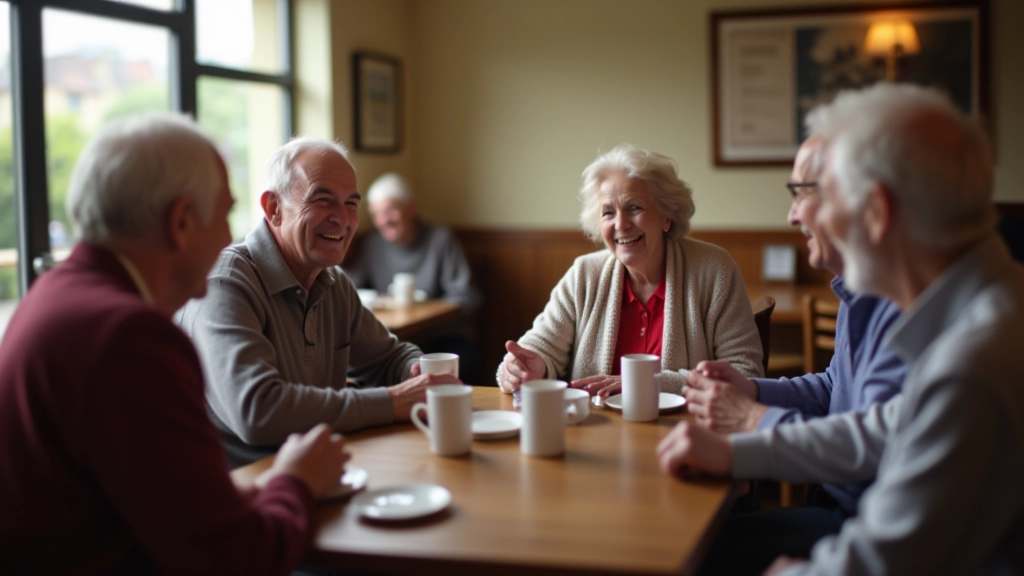
Most groups have a social element built in. It's not just structured class time. Before sessions start, people chat for 10-15 minutes. After, some groups head to a nearby café or pub. The Saturday afternoon group in Killarney regularly does that — there's a café two minutes' walk from the hall, and 15-20 people pop over for coffee and chat.
This social aspect is one of the biggest draws for regular members. They're not coming just for the dance instruction — they're coming for the routine, the faces they see weekly, the in-jokes that develop. Someone will miss a session due to illness and the whole group notices. That's real community.
Why People Stay Long-Term
- Weekly rhythm and something to look forward to
- Physical activity that doesn't feel like exercise
- A circle of friends with shared interests
- Visible progress (you'll see yourself improve quickly)
- Music and movement that feels joyful
- Zero pressure to be perfect or look a certain way
Partner Dance Evenings at Parish Halls Explained
Read Guide
Why Bachata and Salsa Keep You Fit
Read GuideYour Next Step
Both Killarney and Tralee have welcoming, active dance communities ready for new members. You don't need experience, special abilities, or perfect rhythm. You just need to show up one Tuesday, Thursday, Saturday, Monday, Wednesday, or Friday evening and say hello.
Start with a single session. See if it feels right. Chances are, you'll feel a bit self-conscious at first — that's completely normal. But you'll also feel something else: the energy of music, the joy of moving with other people, and the warmth of a community that's genuinely happy you're there.
The best time to join was probably last year. The second-best time is this week.