
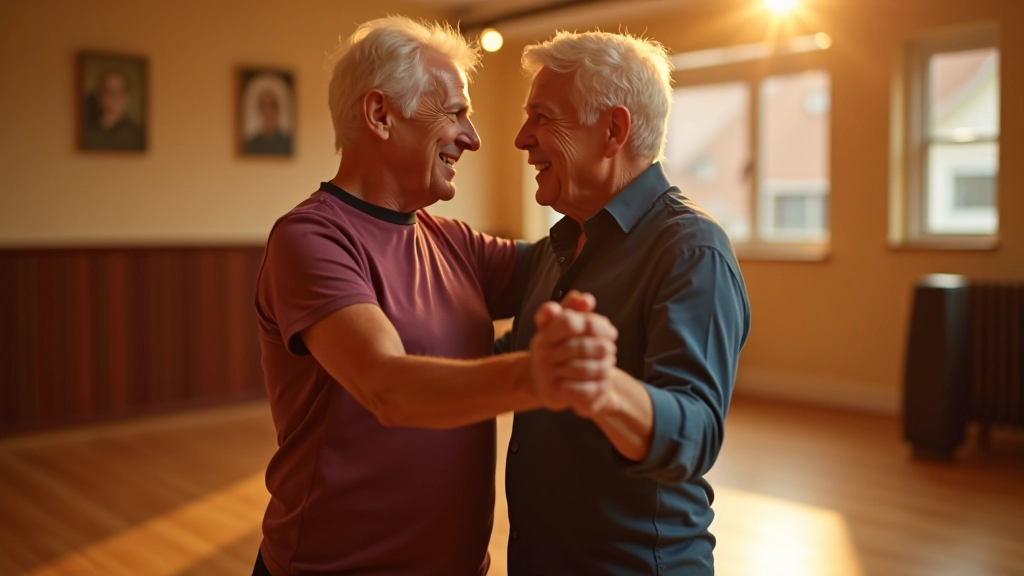
Why Bachata and Salsa Keep You Fit
It's not just fun — it's a real workout. We'll break down the fitness benefits, how to avoid injury, and what improvements you'll notice in just a few weeks.
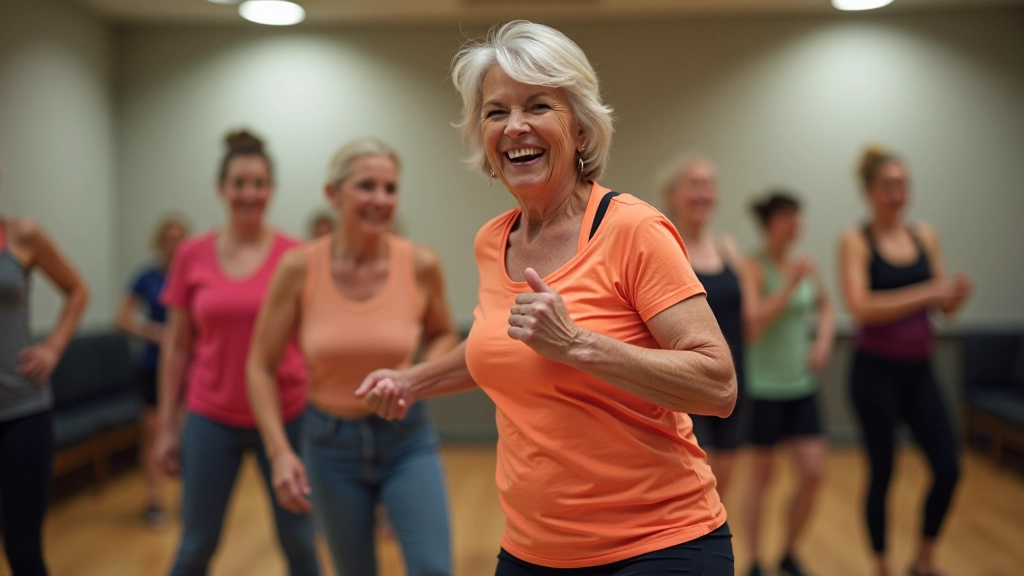

You've probably heard that dancing's good exercise. But here's what actually happens in your body when you're moving to bachata or salsa music. It's not just cardio — it's strength, balance, coordination, and mental fitness all rolled into one.
We're going to walk through exactly what you're working when you dance, why these particular styles are so effective, and what changes people notice after a few weeks of regular dancing. No fluff, just the real fitness science behind the rhythm.
Your Heart Gets Stronger
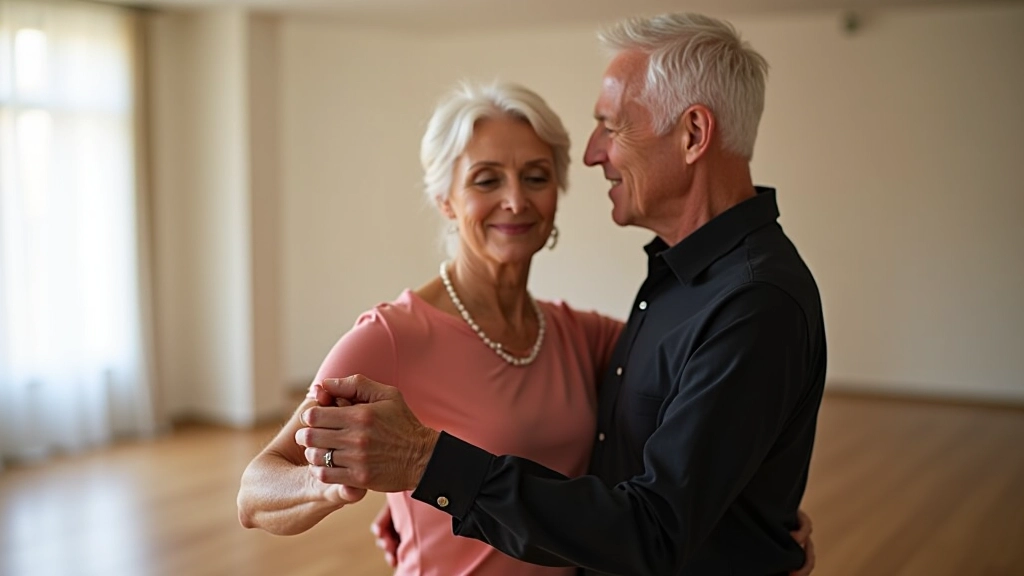
Dance raises your heart rate. Depending on the tempo and how energetic you're moving, you're looking at moderate intensity exercise — similar to brisk walking, but more engaging because you're actually focused on the music and your partner.
Here's the thing though. Unlike running on a treadmill for 45 minutes, dancing doesn't feel like exercise. You're having a conversation, laughing at a mistake, enjoying the moment. Your heart's pumping at 100-130 beats per minute, but you don't notice because you're too busy with the steps.
Most people do 3-4 dance sessions a week, about 60 minutes each. That's consistent cardiovascular work that builds endurance. After 6-8 weeks, you'll notice you're not getting winded as quickly. Walking up stairs feels easier. You've got more energy during the day.
Balance and Core Strength Improve Fast
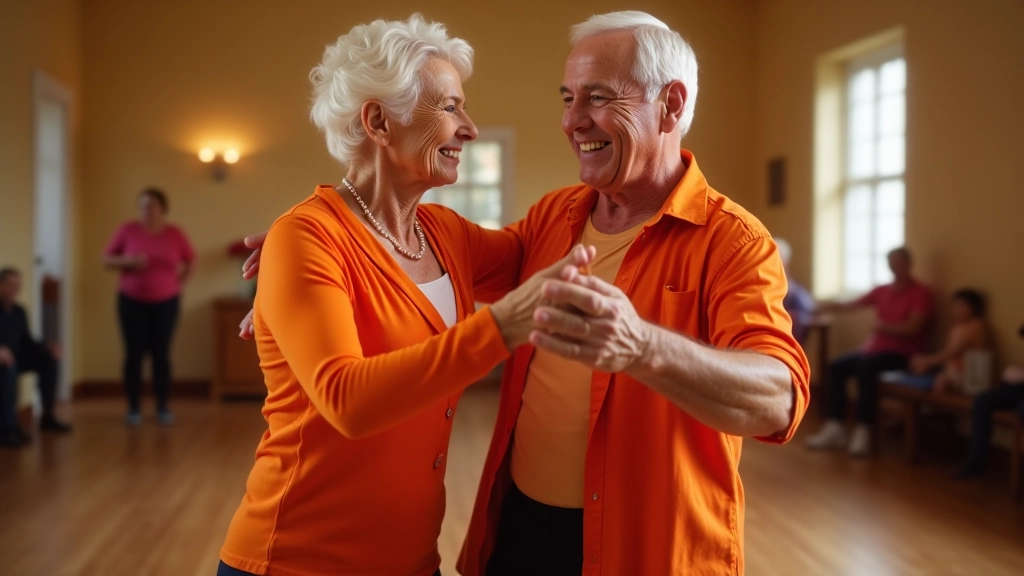
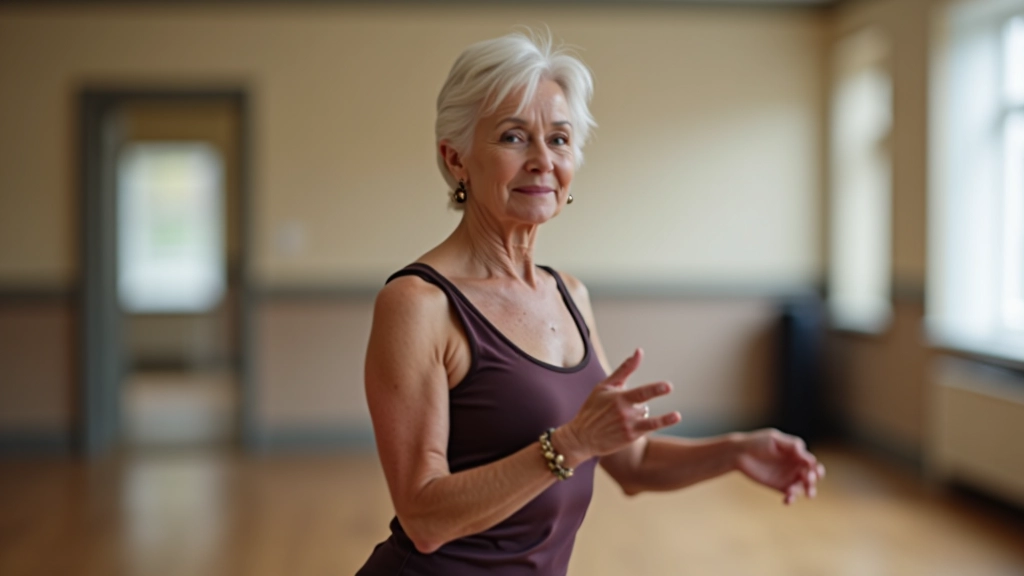
This is where people really notice changes. Salsa and bachata require you to shift weight constantly. Your core — the muscles around your torso, lower back, and hips — is engaged the entire time. You're stabilizing yourself with each step, with every rotation, with every pivot.
That's not an accident of the dance. It's literally how these dances work. Your feet move, but your core keeps you stable and controlled. Do this 3 times a week for a month, and your balance improves measurably. Falls become less likely. You stand taller. Walking feels more confident.
People often tell us after about 5-6 weeks of regular dancing, they've noticed their posture is better. Clothes fit differently because they're standing straighter. That's the core strength working.
A Quick Note
This article is educational and informational. It's not medical advice. Everyone's different — age, fitness level, and any existing health conditions all matter. If you've got joint problems, heart concerns, or anything that makes you nervous about starting exercise, talk to your doctor first. They can tell you if dancing's right for you, or if you need to modify things. That's it. Just a conversation with someone who knows your health.
Flexibility and Coordination Develop Together
Your body learns patterns. First few sessions feel awkward — your feet don't know where they're going, your arms feel stiff, you're thinking about every movement. That's normal. Around week 3-4, something clicks. The patterns start to feel natural.
That's your brain and muscles building coordination. Your hips get looser because you're moving them regularly in ways they probably haven't moved in years. Your shoulders loosen up because you're rotating constantly. Your ankles get more flexible because you're rolling through your feet with each step.
And here's the thing about coordination — it's not just dancing. People who improve their coordination notice it in everyday life. Less clumsy. Better reaction time. Even catching something before it falls. It all comes from that repetitive movement training.
Explore More About Dance


The Real Story
You don't need to love dancing to get fit. But here's what happens — you show up for the fitness benefits, and somewhere around week 4 or 5, you realize you're showing up because you're having fun. The music matters. The people matter. Your partner matters.
That's when the real change happens. It's not just that your heart's stronger or your balance is better. It's that you've found something you'll actually keep doing. And that's worth more than any workout plan.
Start with one class. Try it for 4 weeks. See what happens. Chances are, you'll be back.